 Compare model access
 Check pricing questions
 Plan an API integration
 Browse Synexa
 GPU infrastructure
Compare hardware access, setup responsibility, storage, regions, and current terms directly with the provider. A GPU does not by itself provide a ready-to-call model.
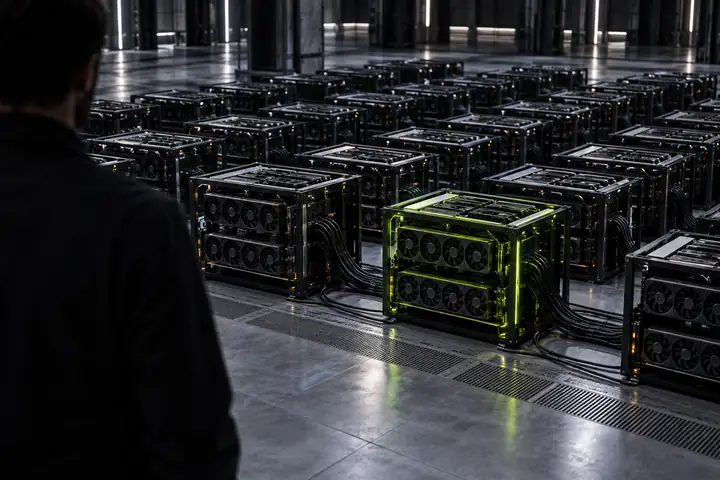

Researching GMI Cloud for AI workloads? Learn where GPU infrastructure differs from an API for ready-to-run models. If you need the latter, explore Synexa as a separate service.
This guide is not GMI Cloud or Synexa. The button opens Synexa; no request or prompt is sent from this page.
Synexa lists hosted AI models by task. Open its catalog, check the current model and price details, then create an account and API key if the service fits. This site cannot submit a job or transfer an input.
GPU infrastructure and a hosted model API solve different problems. Synexa is the API option: choose a model, review its inputs and price, then send authenticated prediction requests through its service.
Find a model that matches your task in the current catalog
Check model inputs, examples, and published pricing before choosing
Use your own account and API key for authenticated requests
Inspect outputs and costs with a small representative test
A GPU cloud is for teams that need to configure their own compute environment. A hosted model API is for calling supported models without renting or operating a machine. Synexa offers the latter; it is not a GPU rental checkout.
Compare hardware access, setup responsibility, storage, regions, and current terms directly with the provider. A GPU does not by itself provide a ready-to-call model.
Pick from the models a provider actually lists. Check supported inputs, authentication, rate limits, and billing before integrating the endpoint.
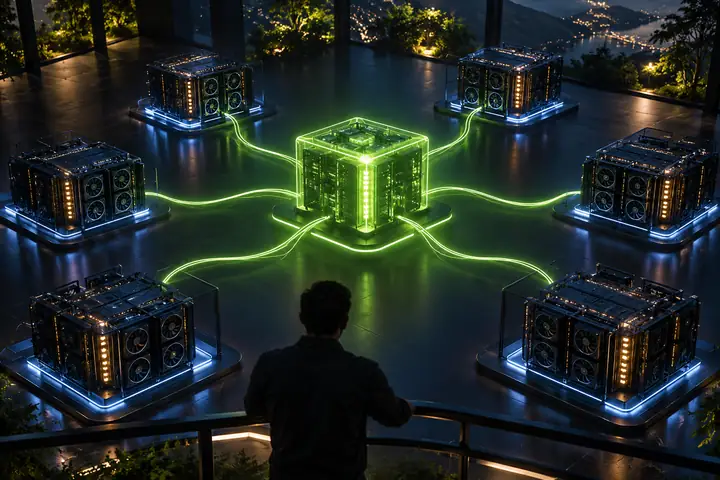
For a custom runtime or direct hardware control, investigate GPU providers. To call an existing model, consider Synexa and verify the live catalog first.

We do not publish GPU inventory or hardware hourly rates. Compare a provider's current terms against the route your workload needs.
Call a supported model via API, or set up a custom environment on GPU compute?
Compare authenticated model requests with responsibility for drivers, deployment, and capacity.
Provider pricing varies by model or resource. Verify the unit, conditions, and any allowance at the destination.
Do not compare GPU-hour claims with model-request prices as though they buy the same thing. Estimate the full cost of a representative job and the work needed to maintain it.
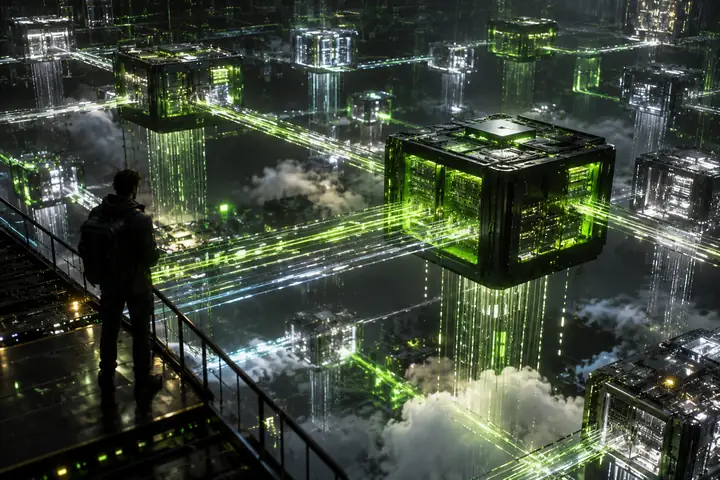
The sequence starts on Synexa, not here. Browse its live model catalog, sign in to manage credentials, and follow the chosen model's documentation when sending a prediction.
Find the model and its supported task. Availability and terms belong to the current Synexa listing.
Create an account and keep your API key in a protected server-side environment.
Use the documented endpoint with the required input, then inspect its returned status and output.
Synexa's live catalog lists available models, examples, and current pricing. These categories are a browsing guide, not a promise that any specific model or rate is available today.
When you need a supported model inside an app, a hosted API can reduce infrastructure setup. Check Synexa's live catalog, access terms, and model documentation before making a decision.
When you require root access, custom drivers, or a chosen GPU setup, evaluate an actual GPU infrastructure provider instead. The Synexa link here is not a GPU reservation form.
When costs matter, write down model, volume, latency needs, and operational effort. Compare actual supplier terms rather than relying on performance figures from an unaffiliated guide.
Straight answers about this guide and its separate API destination.
No. gmicloud.online is an independent guide; verify GMI Cloud products and pricing with the provider.
It opens Synexa, a separate service with a catalog of hosted AI models. It does not open a GMI Cloud account or reserve a GPU.
No. This site provides reading and links only. Choose a model on Synexa and submit inputs there after reviewing its requirements.
Our link is for a hosted model API, not a self-serve GPU rental or cluster checkout. For hardware control, compare GPU providers directly.
No hardware inventory, benchmark, free allowance, or model rate is guaranteed here. Check current terms and run your own workload test.

Synexa is a separate hosted model service. This link carries attribution only; any model selection and job submission happen there.